
In honor of St. Patrick’s Day, one travel tip. It is true what they say. Skip the Ring of Kerry and head for Dingle Peninsula instead. Less tourists, same gorgeous scenery.
Slainte!
In honor of St. Patrick’s Day, one travel tip. It is true what they say. Skip the Ring of Kerry and head for Dingle Peninsula instead. Less tourists, same gorgeous scenery.
Slainte!
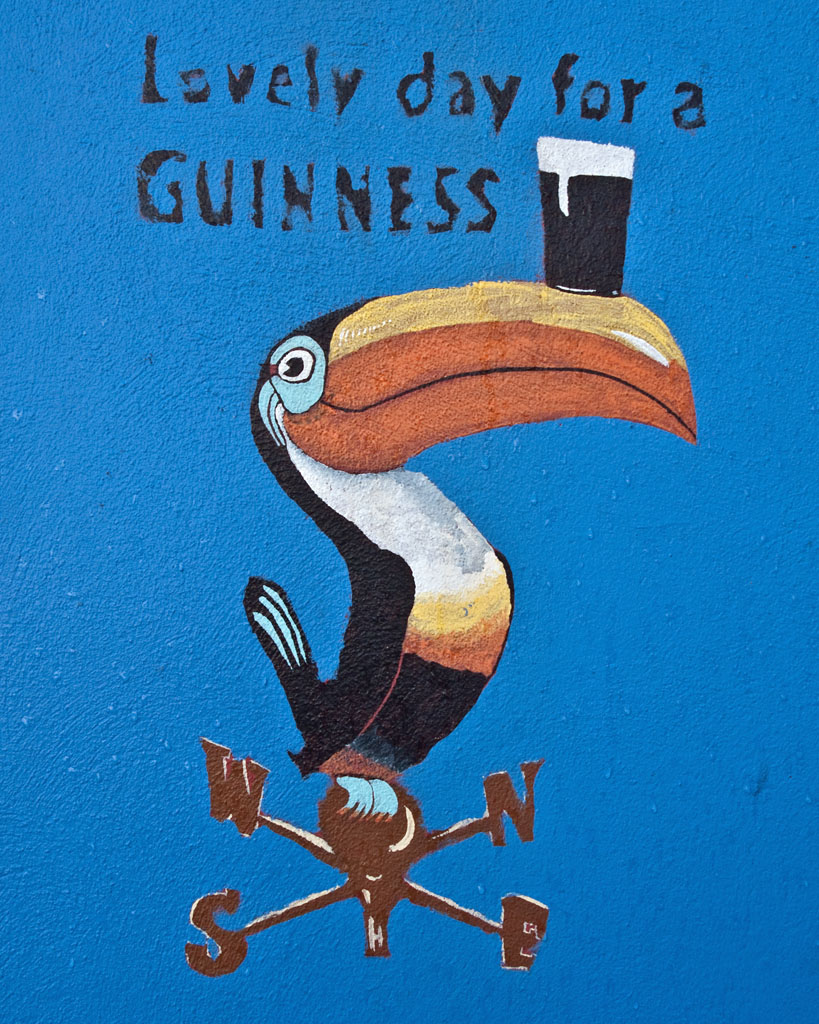
A friend recently announced on Facebook he is heading to Dublin in a few weeks. There were a lot of virtual thumbs ups and “have a Guinness for me!” comments that flooded his wall. It seems people get excited about Ireland, no matter what their lineage. I promised I would send details about some of the pubs we had found while in the city.
As I dove into pictures from my trip to help aid the memory banks, I posed the question to Husband. “What were the best pubs in Dublin?” His response – “There were no bad pubs in Dublin.” True. Every pub in Dublin has a little something different to offer, including a unique experience.
What was originally going to be a direct Facebook message to my dear friend with a list of our favorite pubs, turned into a full blog post. So Richard, this is for you. Sláinte!
The Celt Pub at 81 Talbot Street Dublin 1 has the traditional interior ambience of rural Ireland just blocks from Connolly Station, which is a main hub for both buses and trains. This small pub hosts live music seven days a week in a tiny corner that sits across from the bar. The Celt is situated in a popular area of hostels and inexpensive B&Bs, so the crowd (and sometimes musicians) are either wandering youth, looking to experience Ireland at her finest, or laborers getting off work, complete with sweat and dirty boots.
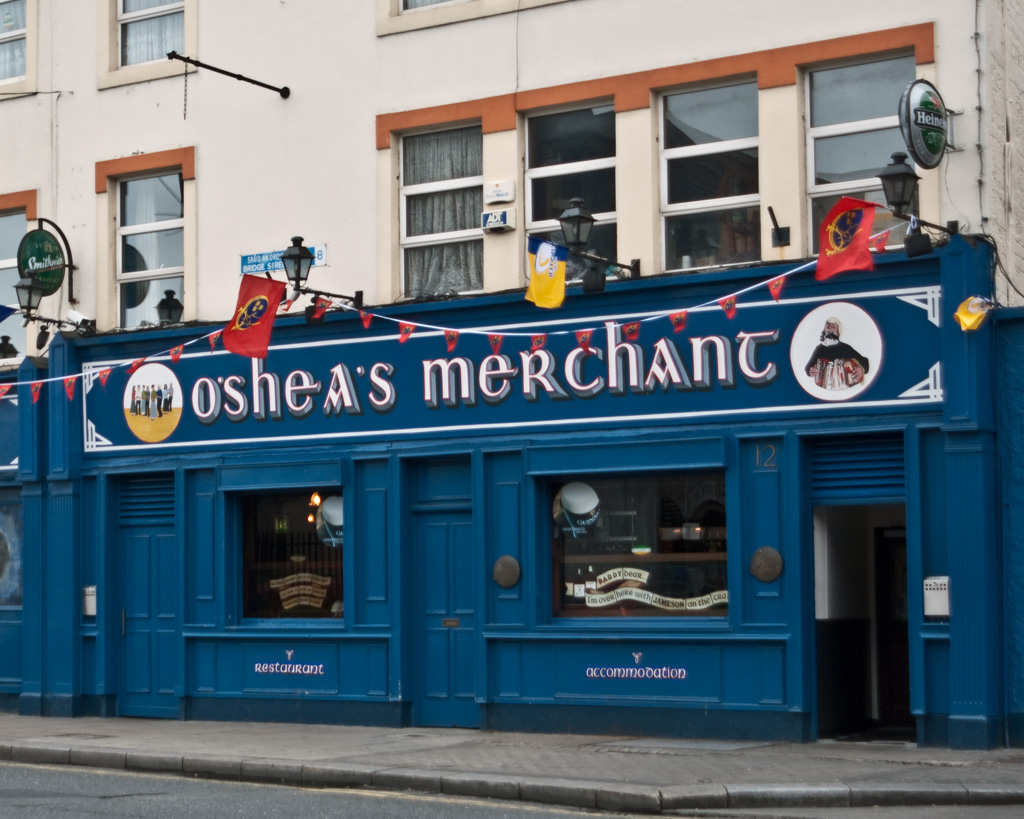
O’Shea’s Merchant at 12 Lower Bridge Street in South Dublin is across the street from the famous Brazen Head pub. The Brazen Head, while the epitome of Irish pub cool on the inside, did not make my list because the tourists outnumber the Irish. While I recommend seeing the Brazen Head, spend time in O’Shea’s Merchant. Traditional Irish music is the name of the game, and spontaneous dancing by patrons averaging around the age of 60 is a common sight.
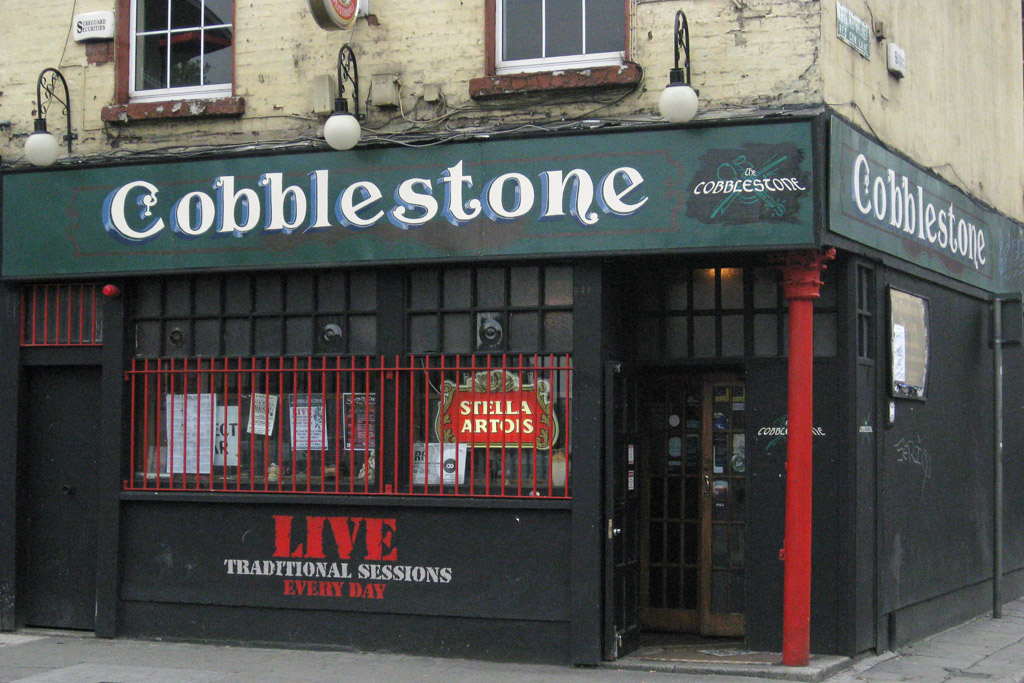
This pub is in a working class neighborhood of Dublin, just around the corner from the Jameson and Powers Distilleries at 77 North King Street, Dublin 7. The Backroom hosts local musicians from folk, country and roots genres. Seek out a bluegrass session to see how the Irish spin something that is distinctly American. No matter what night you are at the Cobblestone, you’re guaranteed plenty of foot stomping.
If you are looking for a different beer experience other than Guinness, Smithwicks, Harp or Murphy’s, Ireland does have a few microbreweries. For a taste of how the Irish interpret brews other than dark porter, there is a microbrewery worth a try:
The Powerhouse Brewing Company
This brewing company has five establishments, and we visited the one in the Temple Bar neighborhood, skipping the more touristy Temple Bar Pub. Located at 16-18 Parliament Street in Temple Bar, the three-story brewhouse has nine mirco beers on tap and one seasonal. Crowded and popular with the younger set, it is still easy to belly-up to a copper kettle drum (right there as decoration in the bar) and sample a flight of your favorite styles. Messrs Maguire is another brewhouse that a true beer geek might want to try, but it didn’t get as high of ratings as Porterhouse during our visit. You can find Messrs Maguire at the foot of the O’Connell Bridge, Burgh Quay, Dublin 2.
And finally, the pubs that didn’t make my list but are worth noting ~
Brazen Head: It was established in 1198. It has dirt floors. Those two facts alone help you look past the Italian and Japanese tourists sitting next to you.
The Church Bar: This is truly a bar in a former church. Elegant and grand, with the pipe organ still in place in the choir loft overhead, the beer selection is poor, and some might consider it sacrilegious to drink in a former place of worship. But its a spectacle to behold.
The Temple Bar: Probably the most recognized pub in Dublin, stop in just to say you had a Guinness there. Or take a picture and say you had a Guinness there. No one will know.
Every so often I wander from Minnesota to northeast Kansas, the corner where I was born and raised. I’m convinced Kansas will forever be known as the Land of Oz – flat, dusty and full of farms with Auntie Em making pie in the kitchen. While the farms and dust are reality, the typography of northeast Kansas is anything but flat. Gentle rolling hills of golden pastures are sprinkled with windmills and grazing horses.
A former co-worker and friend has been blogging about the concept of “home” at Stories She Tells. Her  personal self discoveries about moving from state to state continuously as a child are thought-provoking for me. Each of her blog posts make me contemplate about what I consider “home” to be, now as an adult.
I left Kansas for college at 18 and have only been a resident over long weekend visits. There is both strangeness and familiarity when you return to an area you haven’t visited in a long while. Over the Christmas holiday I went to my parents house with the premise of Stories She Tells in my head. The barn where I did chores nearly every morning is very familiar. The downtown streets I walked every day after school? Strange.
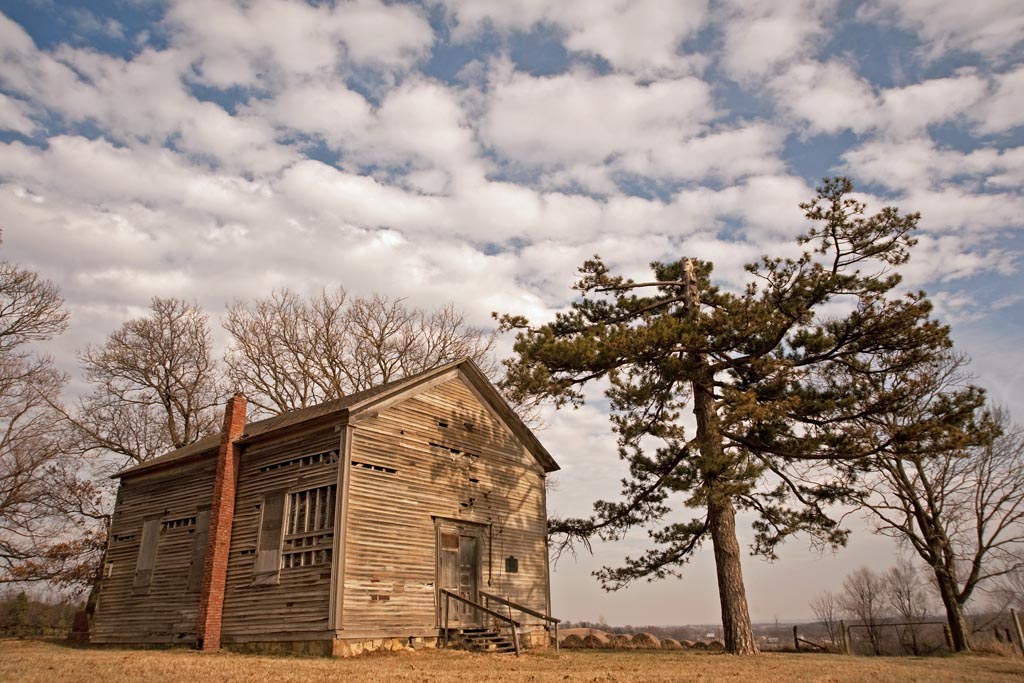 One of the familiar places I like to visit is Little Stranger Church, a clapboard structure one mile up the gravel road from where I grew up. Built in 1867, it has severely decayed over the years, although I firmly believe the hand of God Himself has prevented a tornado from taking it away. It has a scattering of families in the cemetery grounds, some who lost all of their children the same year from typhoid fever or influenza.
Little Stranger Church is a place of peace. I also believe it’s a culmination of what Kansas really is. Kansas is worn, battered by wind, peppered with history and filled with common people who live to be 95 or die as children. Kansas is a neutral tone, never offensive, but wise beyond her years. Living in a fast-paced, big city can sometimes put you on auto pilot, and going back to a familiar yet strange place is grounding. My home is in the big city. But I would wager that not many city kids appreciate natural prairie grass and clapboard churches like I do.
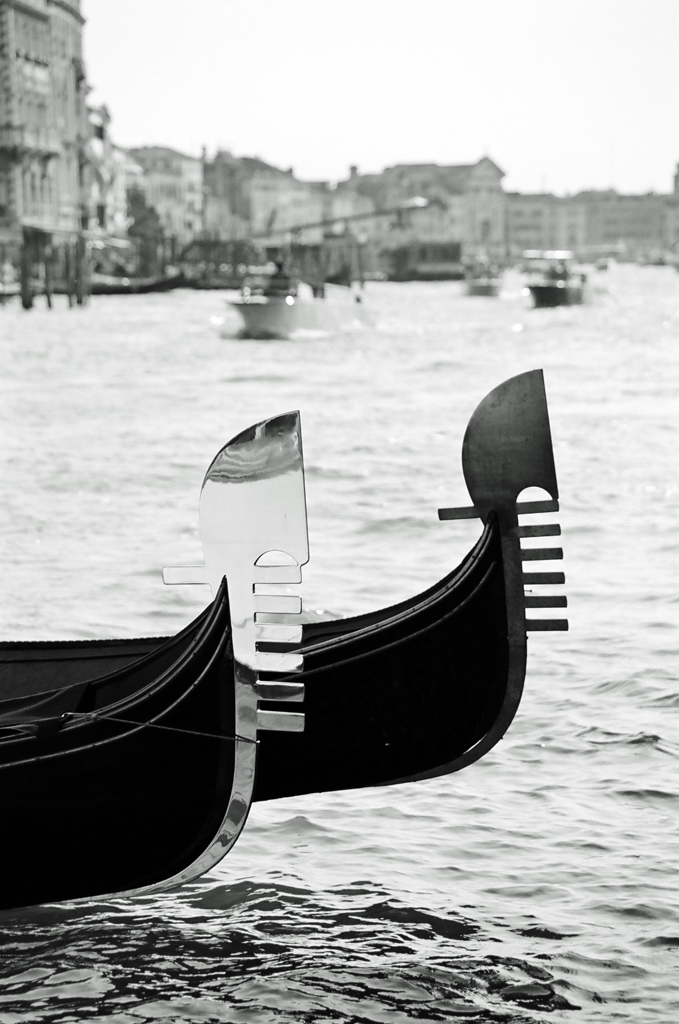
In October I sent 515 images to ScanCafe. I have two three-ring binders of very organized negatives and slide film, mostly of travel from nearly a decade ago that I want to save forever. Honestly? Most of the pictures are complete garbage, and that’s being nice. I can’t believe I took 13 pictures of a cliff side. Come on! Crashing waves aren’t that interesting. But I saved them all, fearful of deleting some sort of memory or place in time that I will never see again.
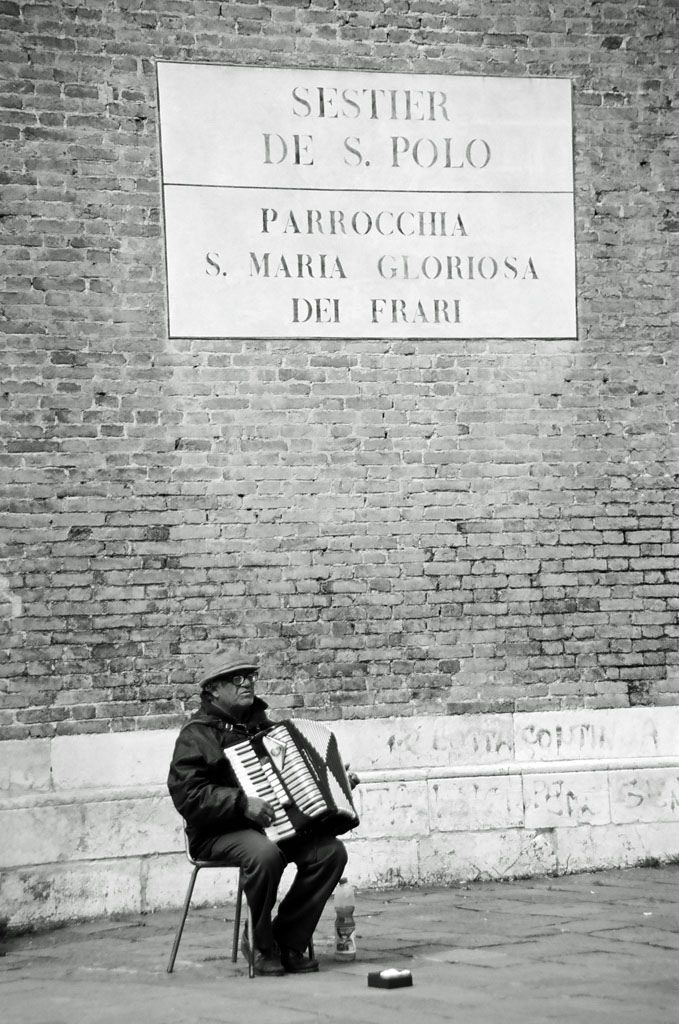
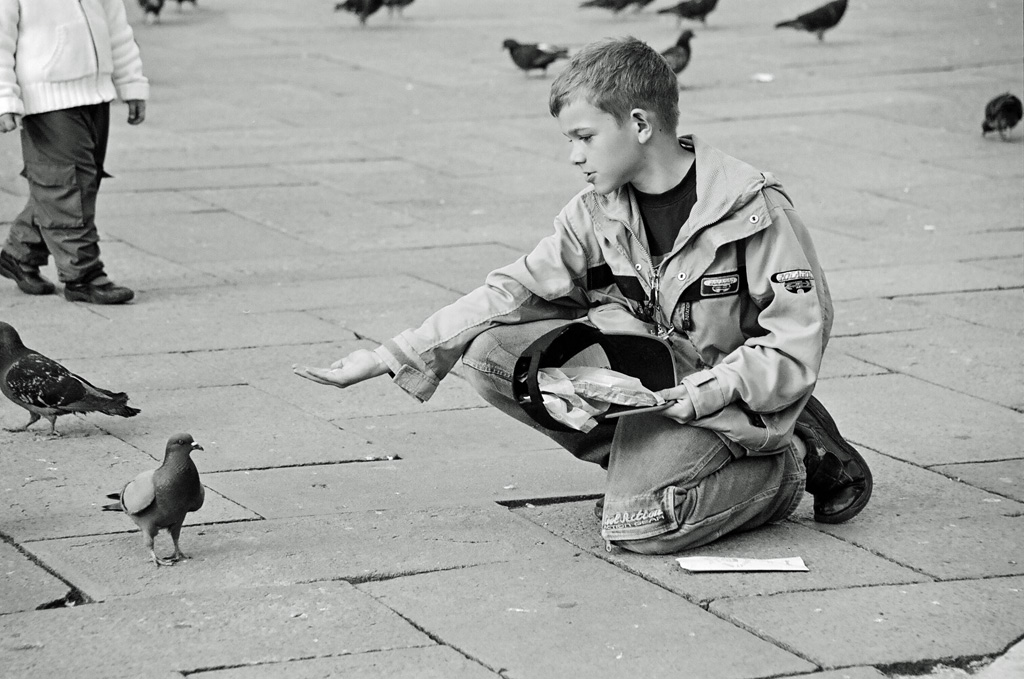
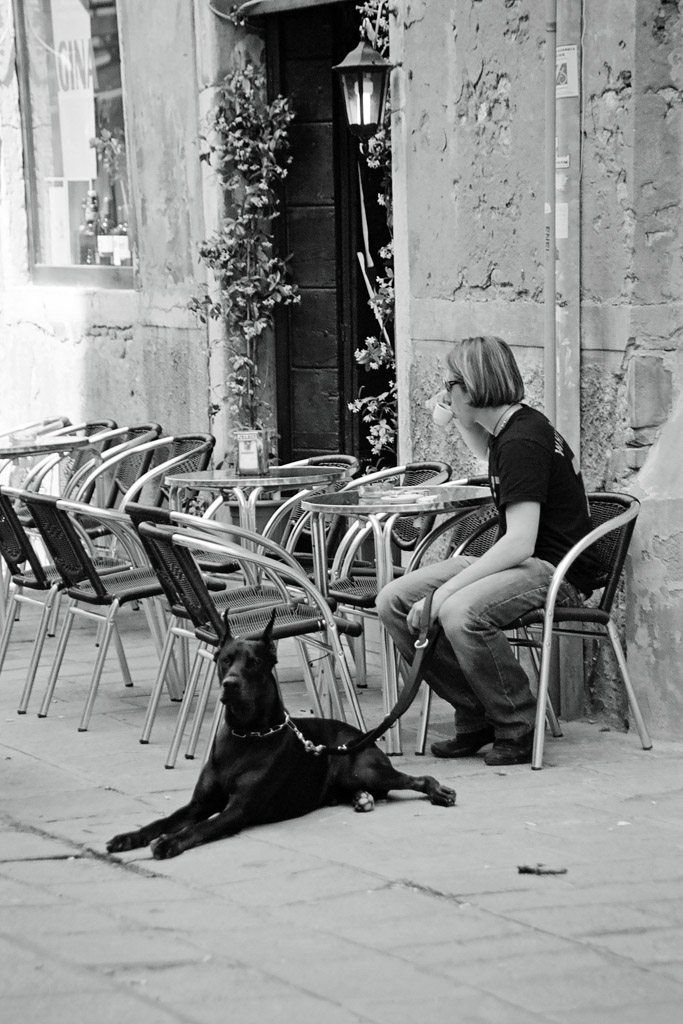
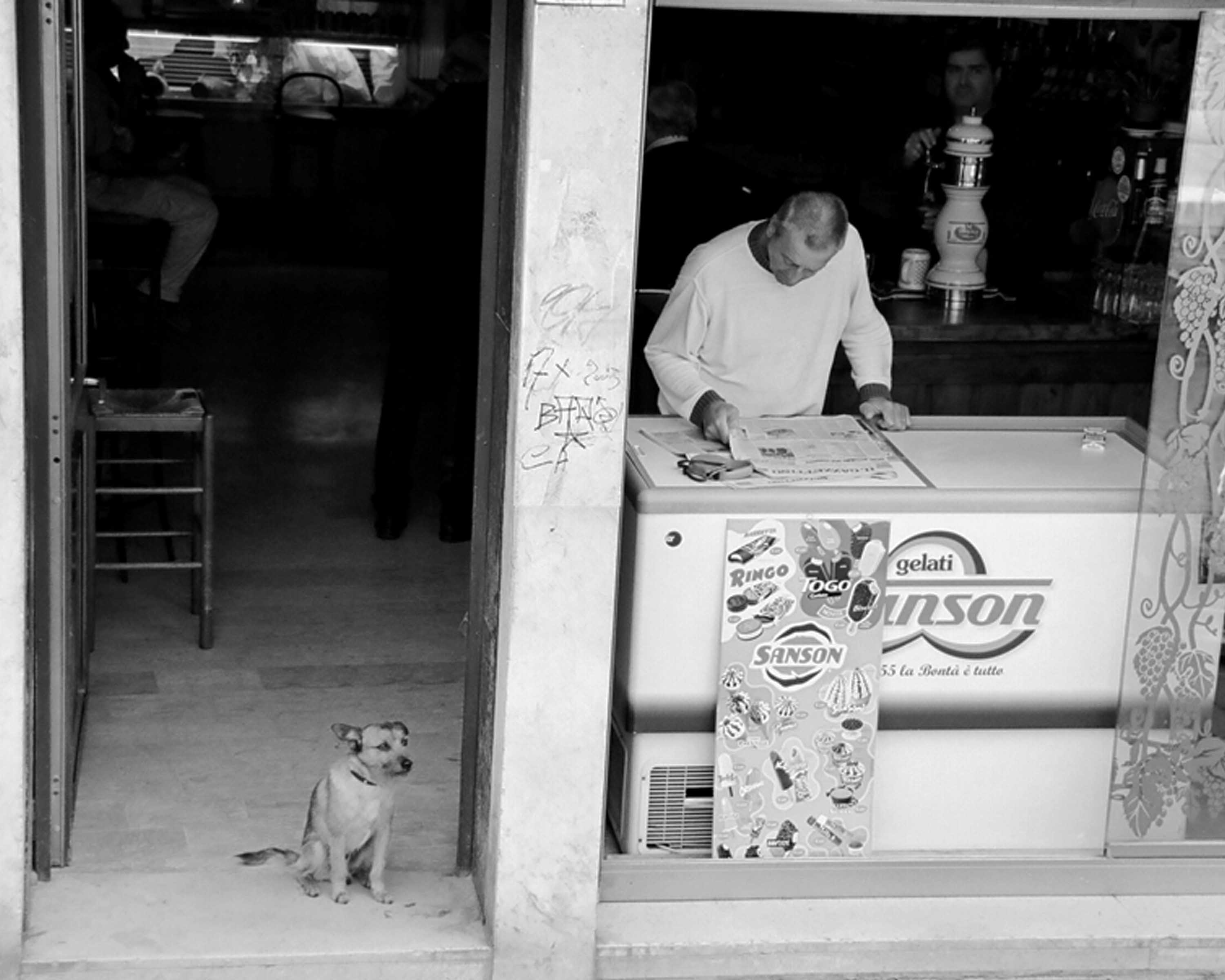
Of the 515 scans that now sit on my hard drive, the people of Venice, Italy are a favorite when looking back at what I had captured so long ago. The pictures made me realize that I’m not as adventurous with my camera as I used to be because I have developed an adult conscience. I’m too concerned about being nice and not offending and being respectful and not acting like someone who just points their camera at anything.
I have altered my photography because of limitations. Yes, I used to center everything instead of putting a picture into thirds, but I caught a few elements of life of Venice by not knowing the rules. Maybe in 2011 I need to remember to throw the rules out once in awhile.

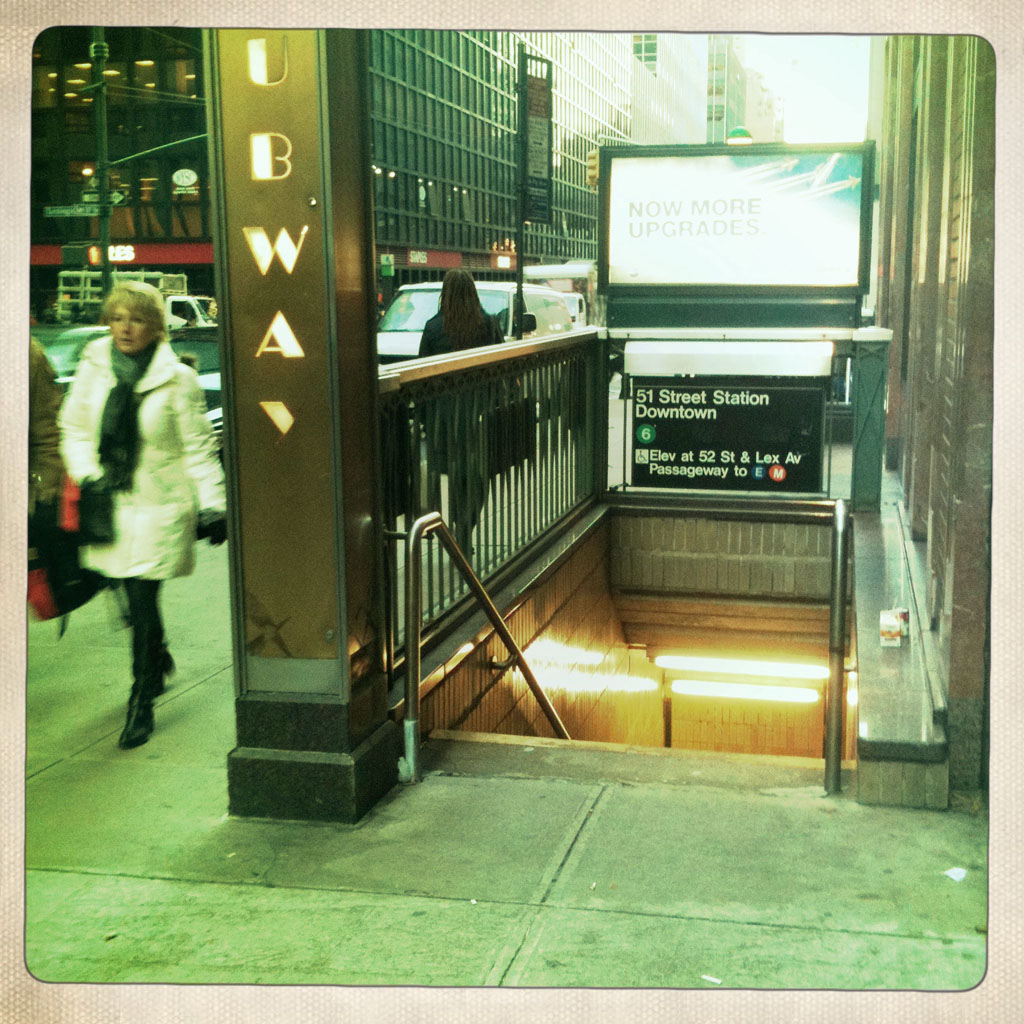
I struggled a little with this last installment about New York City because I didn’t want to talk about it at first. It’s not sexy. It’s not romantic. It’s about business.
When you work in the 10022 ZIP code, you are in the heart of Midtown East, home of Madison Avenue and St. Patrick’s Cathedral. Rockefeller Center is just one ZIP code over. Central Park and the Theater District are close by. But after a long day of meetings, taking a cab or walking far seems cumbersome. Staying in your postage stamp size room is also not an option. Okay bright lights, big city – NOW what?
Of all the places in Manhattan, Midtown East is what I know best. I stay in 10022 every time I’m in town and have learned where to find my favorite morning bialy (PAX on E. 51st and 3rd Ave) and which street cart has the freshest knish. If you are doing business in Midtown East and don’t want to walk 15 blocks for dinner or a drink, here are my favs close to most 10022 hotels.
NY Luncheonette: This diner gets mixed reviews on Yelp, but I love it. It’s not gourmet, it’s not expensive. It’s clean, has fast service and the food is hearty and good. If you don’t want to eat in a dull hotel restaurant, this little diner comes with New York flare. At lunch it’s full of office workers, so you may have to belly up to the old fashioned counter, but that seems like a prize, not a punishment. Tip – try the veggie burger, even if you’re not a vegetarian. It’s the size of your face and made with avocado. Delish. (E. 50th and Lexington)
Bill’s Gay Nineties: This is probably the first speakeasy I’ve ever been in, but that’s not what makes Bill’s glorious. The converted brownstone mansion has transformed the first level parlor into a piano bar. Narrow and dark, you can sit at the bar or at one of the few tables, if you’re lucky enough to find a seat. And jammed into the corner is an upright piano with a crooner belting out Frank Sinatra or Dean Martin. Grab a martini and feel free to sing along. (E. 54th and Madison Ave.)
Dawat: If you’re a foodie who wants to have a reasonably priced meal in Midtown, Dawat is your spot for flavorful Northern Indian fare. Internationally acclaimed chef Madhur Jaffrey owns the establishment and avoids the traditional Indian feel with a more upscale atmosphere. Try the Dal or Masala dishes for a guaranteed party in your mouth. (E. 58th and 2nd Ave.)
Fusia Asian Cuisine: You may think Fusia is a mistake when you walk in. It has an any-man’s-Chinese-buffet feel about it, but when the beautifully decorated plates arrive and you take that first bite, you know it’s going to be okay. Wonderful flavors of hot, piping food await. (E. 56th and Lexington)
Pretty much anything you find on 2nd Ave. between E. 58th and E. 48th are going to have good food and atmosphere. There are tiny French bistros and Latin cafes that spill out on the sidewalk in the summer. There are Irish pubs, English pubs and sports pubs. The crowd is typically a mix of locals, internationals and business travelers, which makes for a pleasantly eclectic atmosphere.

The beauty and the bane of living or working in Manhattan is walking from point A to point B. It could be a glorious spring day or a frightful winter wasteland. Even on a 50 degree December day, it can feel cold. A Minnesotan who now lives in The Big Apple summed it up best. “In Minneapolis you leave your heated office and take the heated skyway to your heated parking garage. In New York you leave your heated office and go out into the elements.”
The first weekend in December was actually quite nice by New York standards – perfect for roaming if well dressed. Husband and I decided to make a day of walking to Ground Zero. But as we strolled, the temperature (and sun) began to dip.
There is a Starbucks every 50 yards in Midtown. As you move toward more residential areas of lower Manhattan, the coffee shops begin to thin. By the time we reached Washington Square Park we weren’t cold as much as in severe need of a bathroom. Pointing ourselves toward Bleecker Street, we had to find a warm coffee house with a loud espresso machine waiting to greet us. But after passing night clubs and standing-only restaurants, we were desperate and dashed into a white linen cafe.
Two cups of coffee and nearly $10 later, we emerged. It was one of the most expensive pit stops on record.
 We pushed forward with our camera backpacks through Soho and TriBeCa to Ground Zero. We viewed the construction site, walked through St. Paul’s Chapel Cemetery across the street, bought a $5 scarf for husband on the street, and turned back toward Midtown.
My face was numb by TriBeCa. But we trudged on, determined to get to Soho. There had to be a Starbucks in Soho.
In the center of Soho we didn’t see a Starbucks or anything that resembled a coffee shop. With no legitimate option for warmth in the middle of the afternoon, we opted for the best option within a few feet of us.
Toad Hall, a bar on a sleepy street in Soho, was dark with rustic English decor and a pool table in back. It was also warm and full of people chatting or reading alone while drinking coffee. Of course! They don’t drink coffee at Starbucks. Too tourist. Too ordinary. The residents of New York were in the bar for their cup o’ Joe.
After thawing in Toad Hall we agreed to keep the walking more tempered. In TriBeCa we tried our luck again, this time at Broome Street Bar, which also had piping hot clear glasses of coffee and cappuccinos. Again, conversation and book reading at the tables. It was never a scene I expected to find there, in the bars off West Broadway, but it feels like a graduation of sorts. After many trips to New York, I know where the locals find the best cheap coffee.
My goal of live blogging from the streets of New York was abandoned by a patchy 3G signal and less than stellar battery life. I have a future blog in mind from the trip, but until then, here is a delayed report told by my iPhone Hipstamatic app.

NY Luncheonette
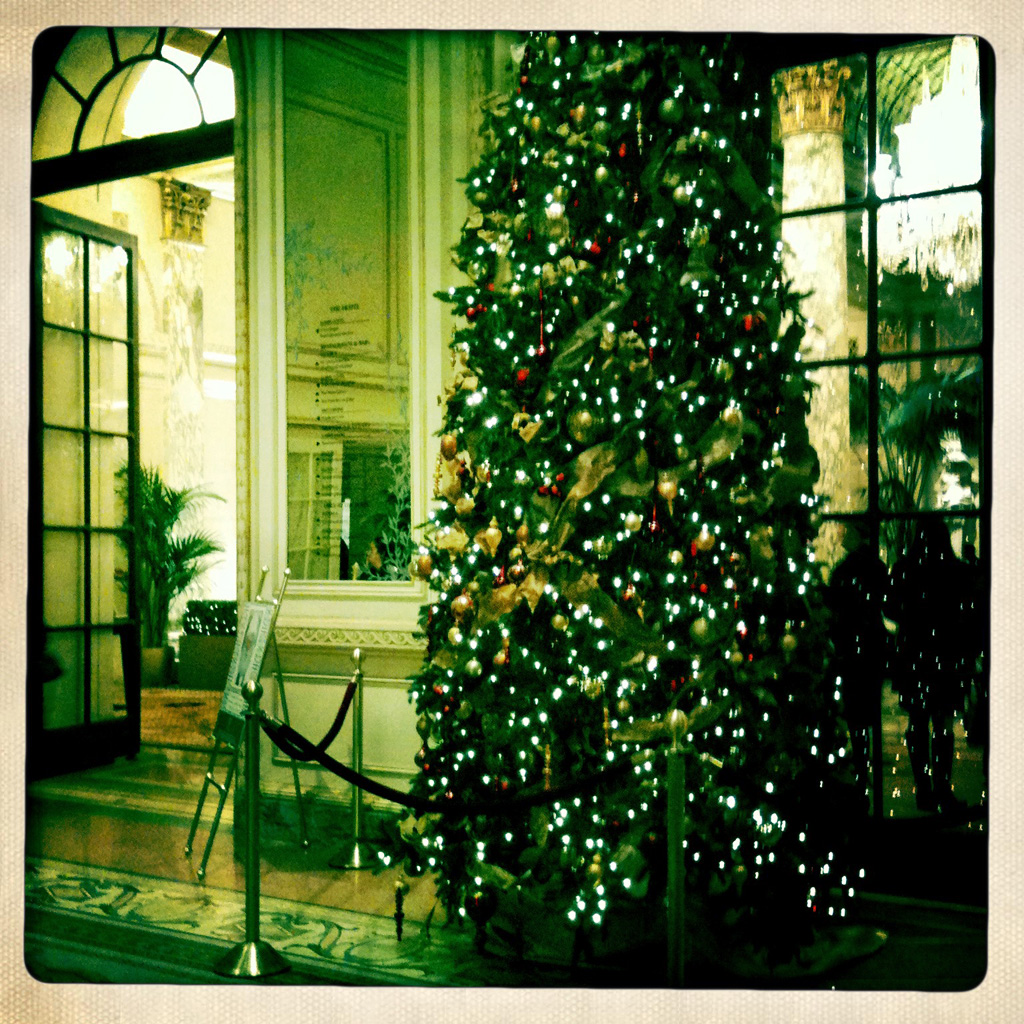
The Plaza Hotel

Central Park artists

Central Park Ice Skating Rink
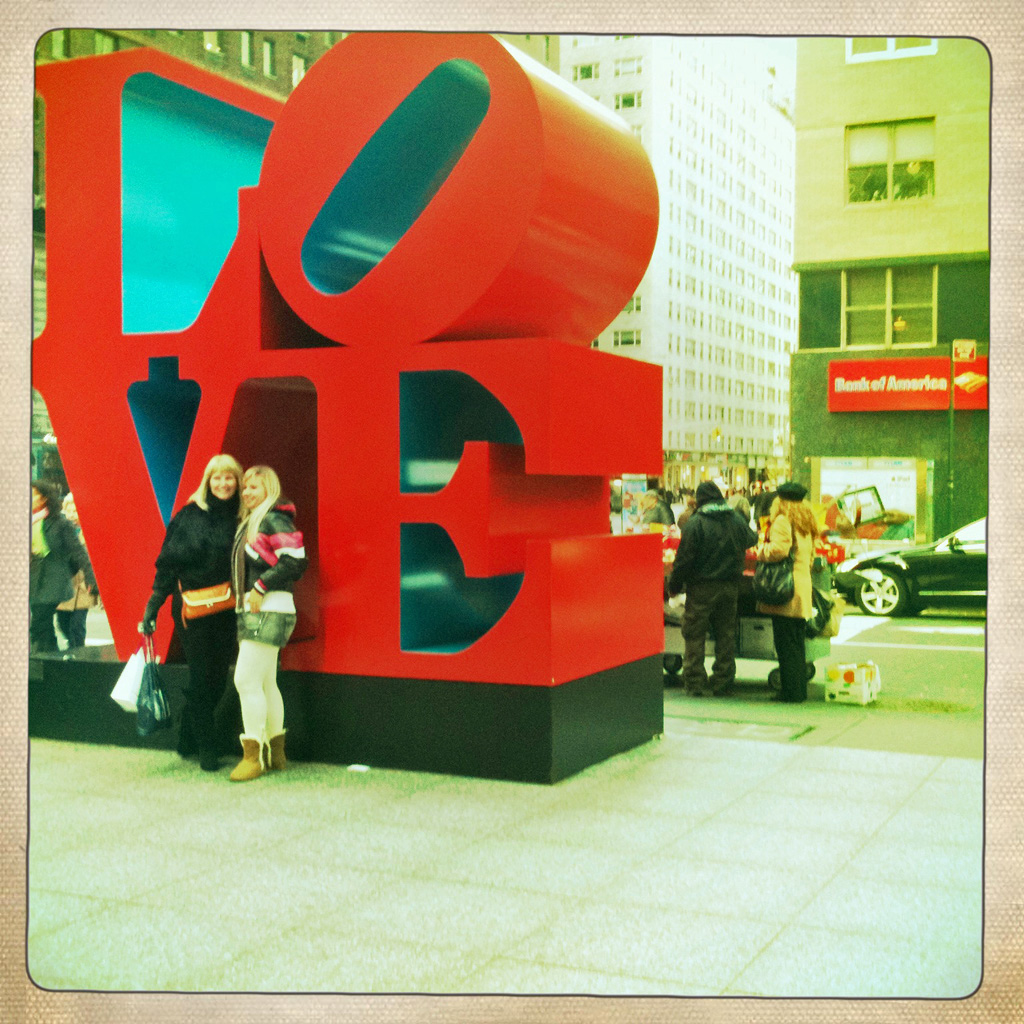
LOVE from NYC
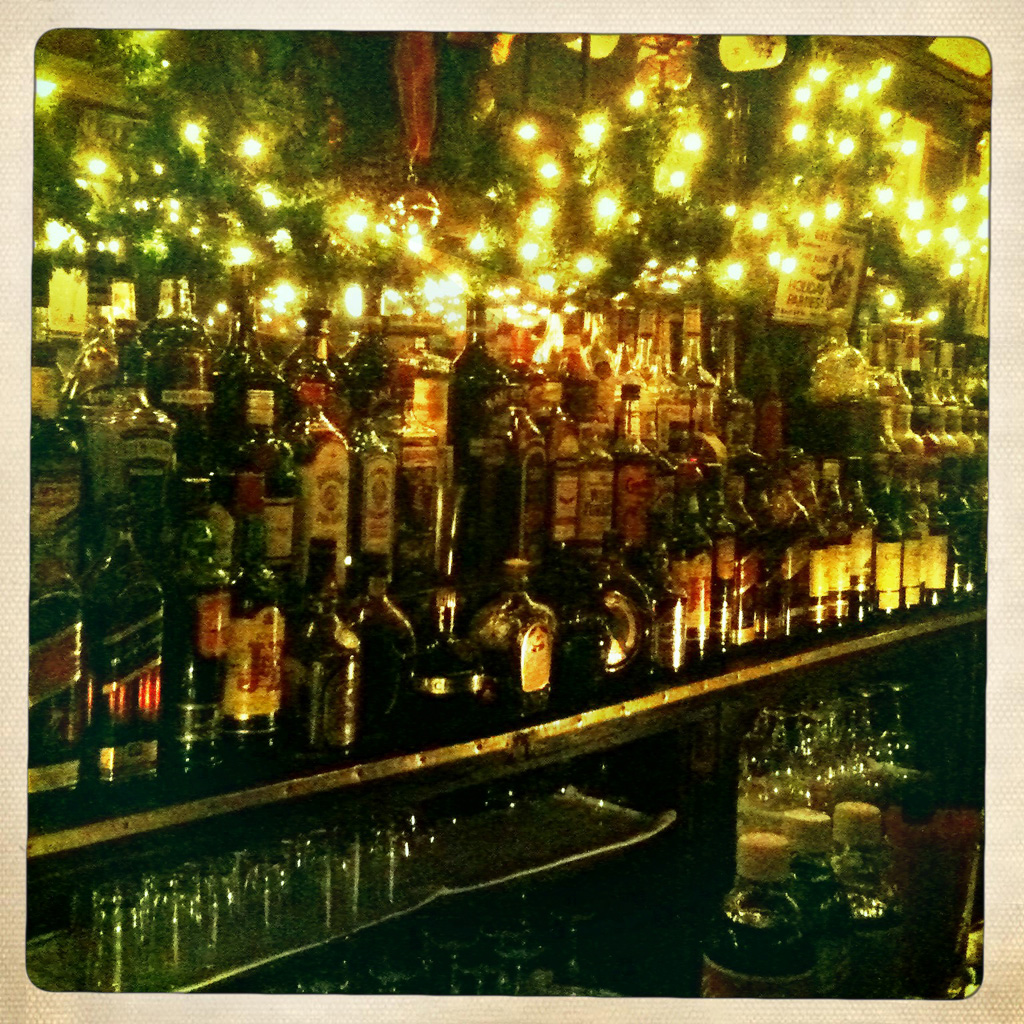
Bill’s Gay Nineties in Midtown East
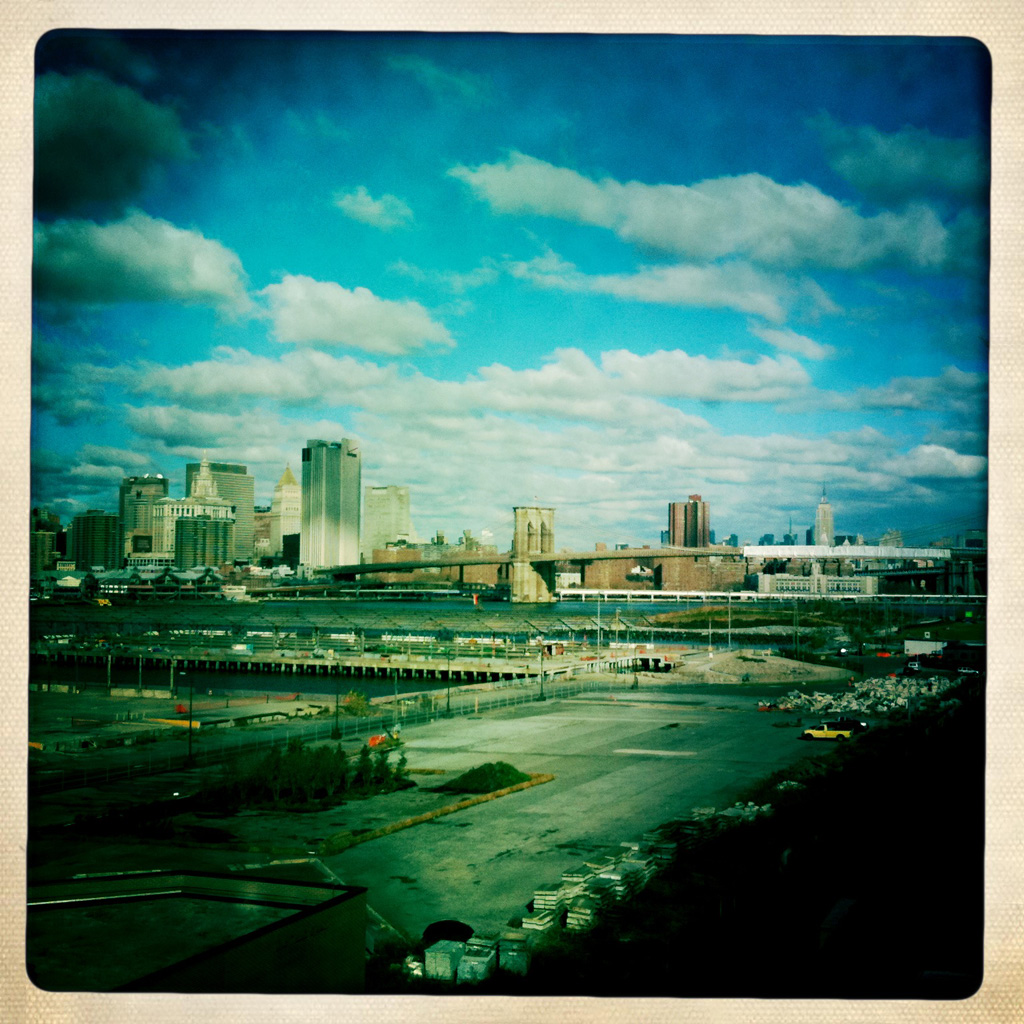
Brooklyn Bridge and New York skyline
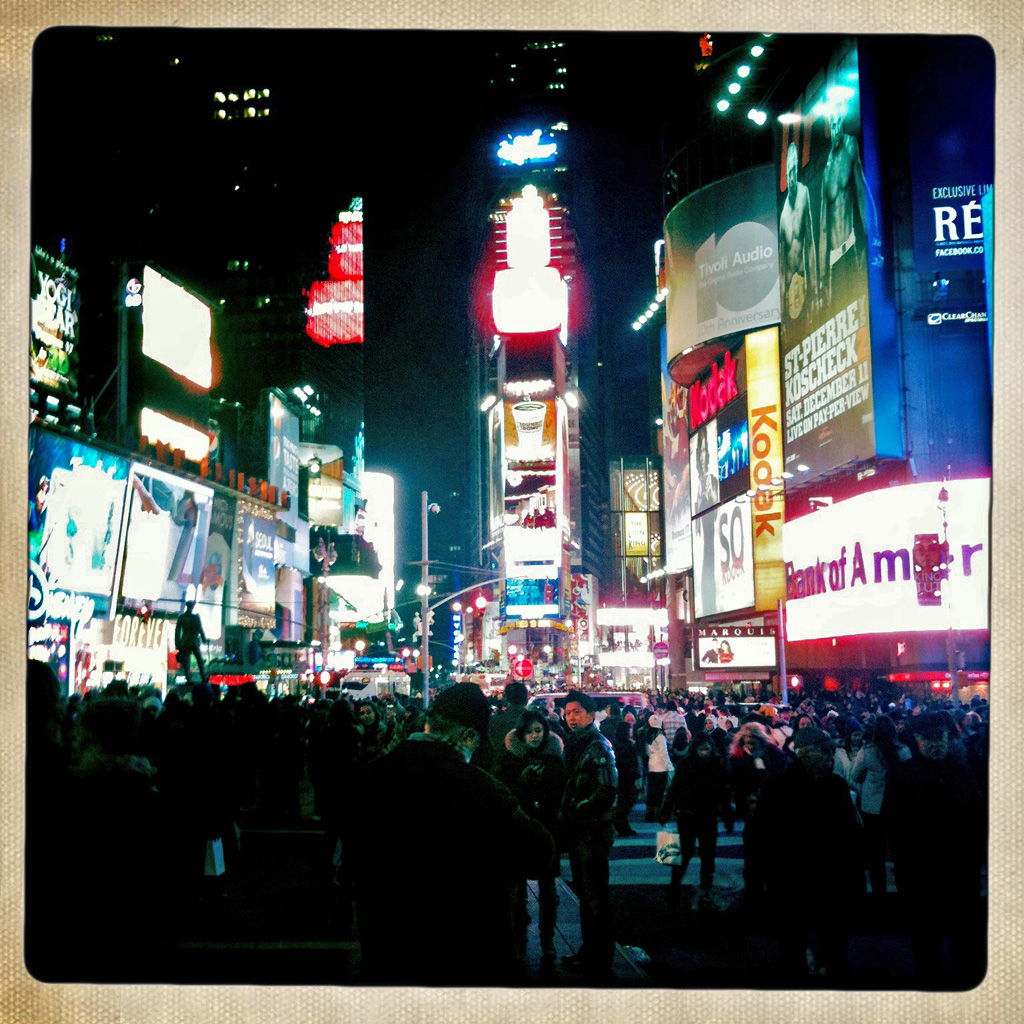
New York Times Square

Hello Kitty!

The lobby of The Pod Hotel
I am going to New York City soon, and I always try to explore a new section of the city I’ve never seen. I’ve done Midtown, the West Village, the Upper East Side, Central Park and the Theater District. What should I explore next? Tribeca? Soho? Chinatown? I’m looking for your suggestions of the offbeat, odd and downright hidden gems of the city. Leave a comment to let me know where your favorite places of the city are located. I plan to post pictures as I wander, so you never know – your recommendation might just show up here!
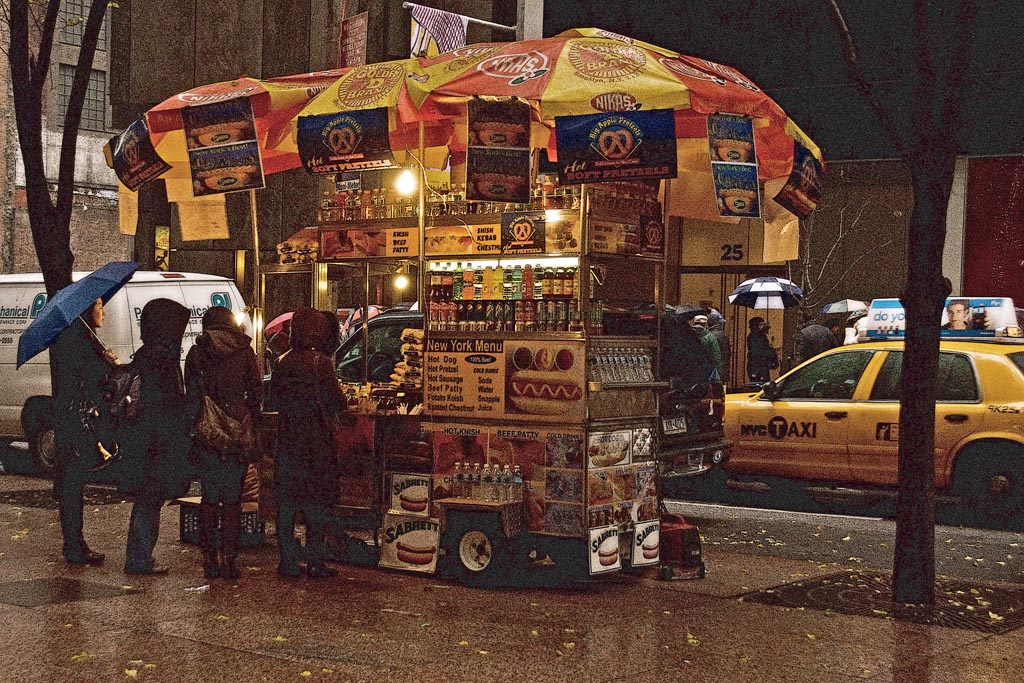
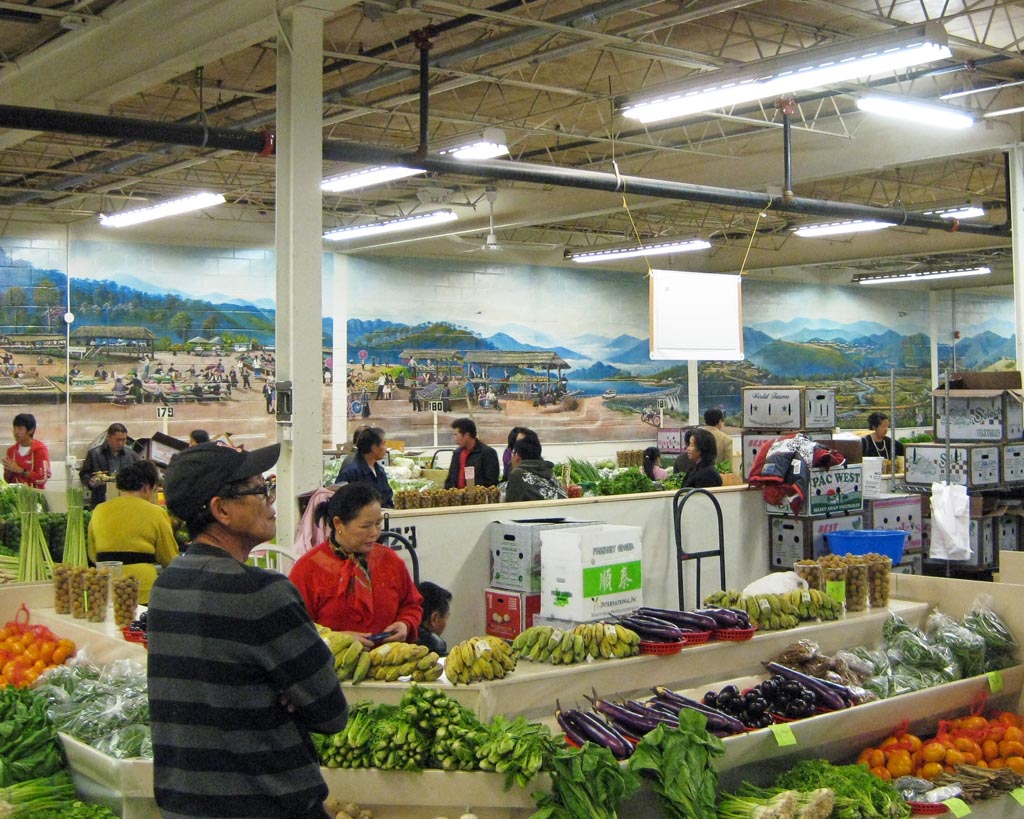
I’m always excited to see a business opened by a community, for a community. Last weekend Hmong Village celebrated its grand opening in Saint Paul, Minnesota, and it felt like the Hmong (pronounced “mung”) had finally found home.
If you are not familiar with the Hmong people, here’s a quick history. The Hmong are from southeast Asia. Many were once concentrated in Laos, but they also resided in Vietnam and Thailand. Some are still refugees in their own land, not able to escape the circumstances of war and poverty that exist today.
The Ho Chi Minh trail passed through Laos from North to South Vietnam. The CIA recognized in the early 1960’s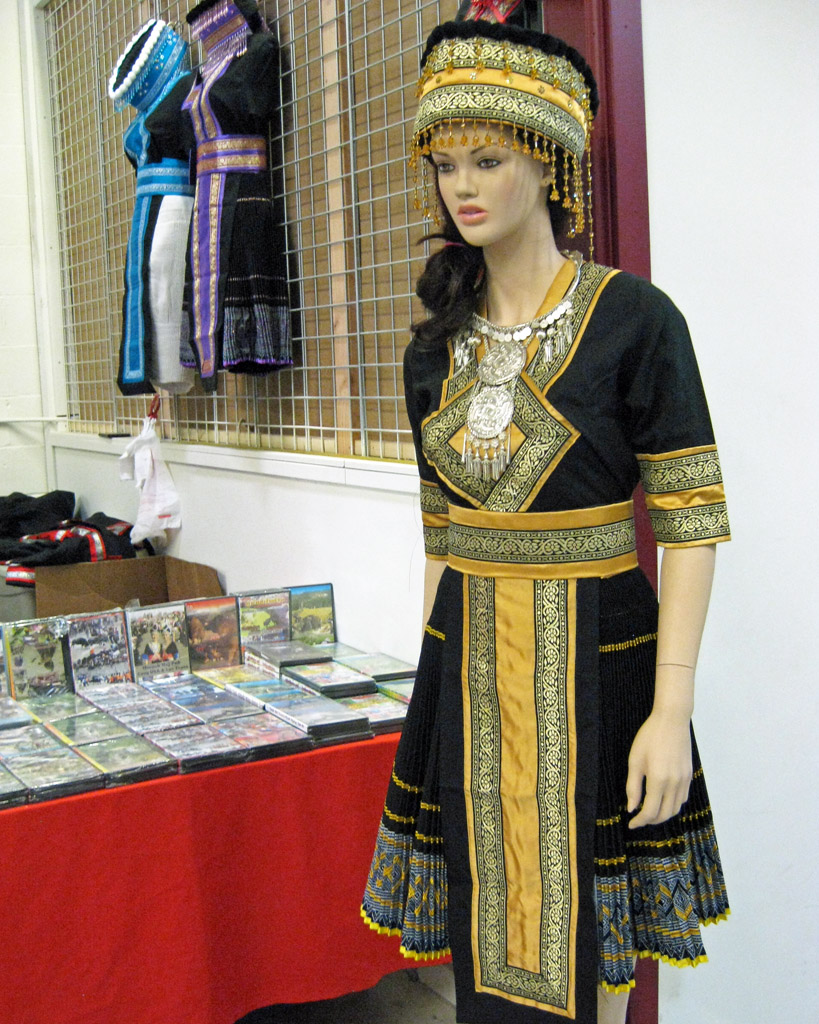 that to stop supplies, communications and military from moving south on the trail, they needed gorilla forces in Laos to help American soldiers fight the North Vietnamese. A “secret” army of Laos soldiers fighting on the U.S. side was born. It’s estimated that more than 18,000 Hmong died during the Vietnam conflict.
In December 1975, the United States recognized the Hmong’s contribution to its efforts in Vietnam, and opened its doors to Hmong refugees. Today over 250,000 Hmong live in the U.S., the largest concentration in California, then Minnesota and Wisconsin.
Knowing a tiny faction of this history, I was eager to see what had come of the culture, and what businesses were sprouting inside Hmong Village. Parking on a residential street, I walked one block to an overflowing parking lot outside of the shopping center, and dodged my way between cars to the entrance.
Joyous sensory overload.
 Hmong Village is a former warehouse, and still feels like one. What you don’t expect are the types of vendors that provide the sensory overload. There is traditional clothing, shoes, dollar stores, pots, pans and jewelry stalls. There’s a farmers market, a grocery. You can get your hair cut at one of the small stall businesses. One stall offers eyebrow waxing. There’s even an arcade. The most surprising item for sale were DVDs. There are about a dozen DVD movie stalls. It quickly became apparent that the Hmong love Asian movies. Most movie stalls had several TV screens, all playing different films. Families wandering the Village would stop and watch a movie for a few minutes, then move on to the next DVD stall, and start the stop-and-watch process all over again.
What really makes Hmong Village a destination spot is the food. There are 17 restaurants serving piping hot bowls of Pho, curry noodles, roasted chicken leg, sausage and sticky rice and barbecue ribs just to name a few. There are individual tea houses in certain stalls, and bubble tea vendors. There is a bakery as well, serving croissants and miscellaneous French pastries. I believe I saw a vendor with pizza by the slice, but it was untouched.
If you have the opportunity to visit Hmong Village, save the farmers market for last. As you stand among the fruits and vegetables, look at the walls. Hand-painted murals of Laos transport you to the old country. It’s when I really took a moment to look at these murals I realized the Hmong have known America longer than we have known them, and they might just be home in this place. Finally.
This is a terribly brief summary of the Hmong’s historic plight, so I encourage you to read more about the community on Jeff Lindsay’s site. You can also read the Minneapolis Star Tribune’s review of Hmong Village and the Pioneer Press article about the family businesses in Hmong Village.
 One of a dozen DVD stores!
 Grocery store with a little of everything.
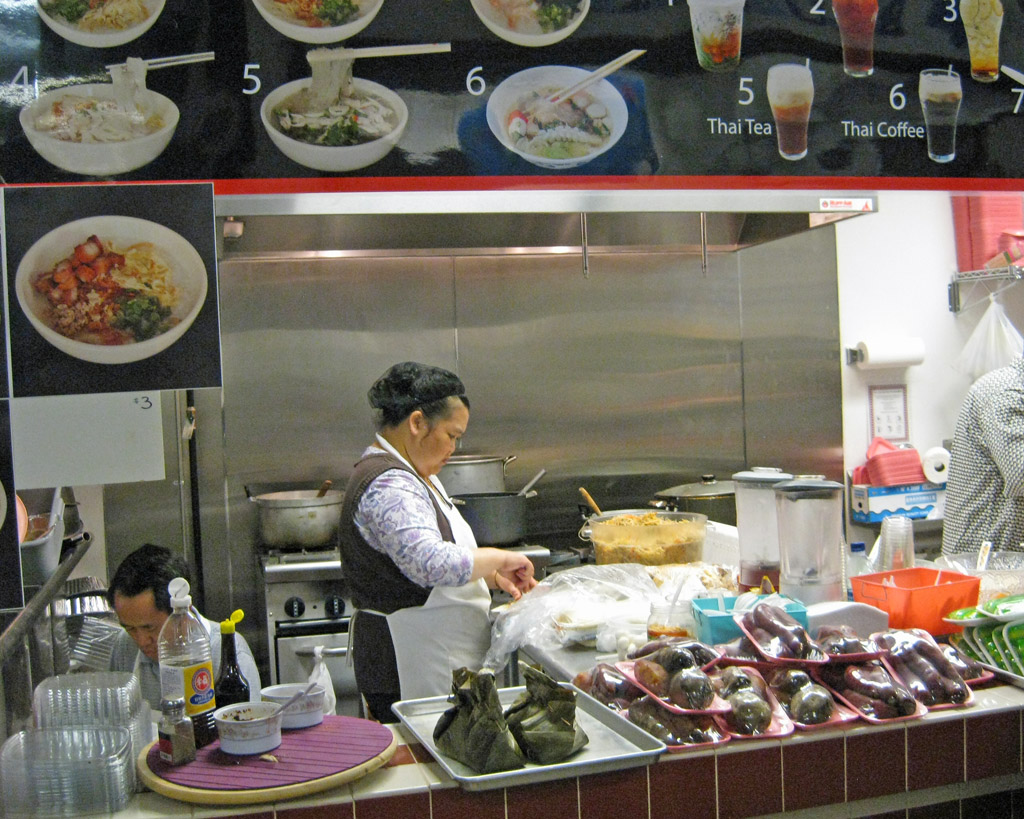 Food made fresh.

When you travel, there always seems to be one experience that brings the entire trip together. Not necessarily an “ah ha” moment when the planets align, but that experience which makes you think, ‘I understand this place.’
There are 100 things I could list about Portland to explain why it’s one of my favorite cities in America, but it’s a hotel that made me think, I understand this place.
Located just 15 minutes from downtown Portland in Troutdale, Oregon stands McMenamins – Edgefield, a whimsical hotel/resort unlike any lodging facility I’ve ever stayed at.
 The McMenamin family has seven hotels throughout Oregon and one in Washington. The concept? Restore old buildings and make them thematically cool. There’s the Kennedy School, a restored elementary school where the guest rooms retain their original chalkboard. There’s the White Eagle, a restored 1905 pub with lodging on the upper level and live music on the main floor every night of the week. But if you are looking for the most unique of the McMenamin hotel concept, McMenamin’s – Edgefield is the grand lady.
Edgefield was originally built as a poor farm and provided food and shelter to the residents for over 70 years. In its next life, Edgefield served as a nursing home and rehabilitation facility until it was abandoned in 1982. The main house and farm buildings began to rot and were vandalized. But thanks to the McMenamin brothers, Portland pub owners who had a vision for an artistic community with lodging rooms, the Edgefield property was saved and began to take shape in the 1990s.
When I arrived at Edgefield, grapevines in the front of the main lodge were the first thing I noticed. Then the playful signs, the 1930s farm houses and gently restored sheds. The guest room husband and I had was located in one of the farm houses, and we shared the house with about six other couples, each having their own private room. Never one to mind a shared bathroom, it was quaint and clean.
So what do you do at a typical resort? Hit the spa? Edgefield has one but I did not partake. Play golf? Yup, there are two par-3 courses. But what most resorts don’t have, 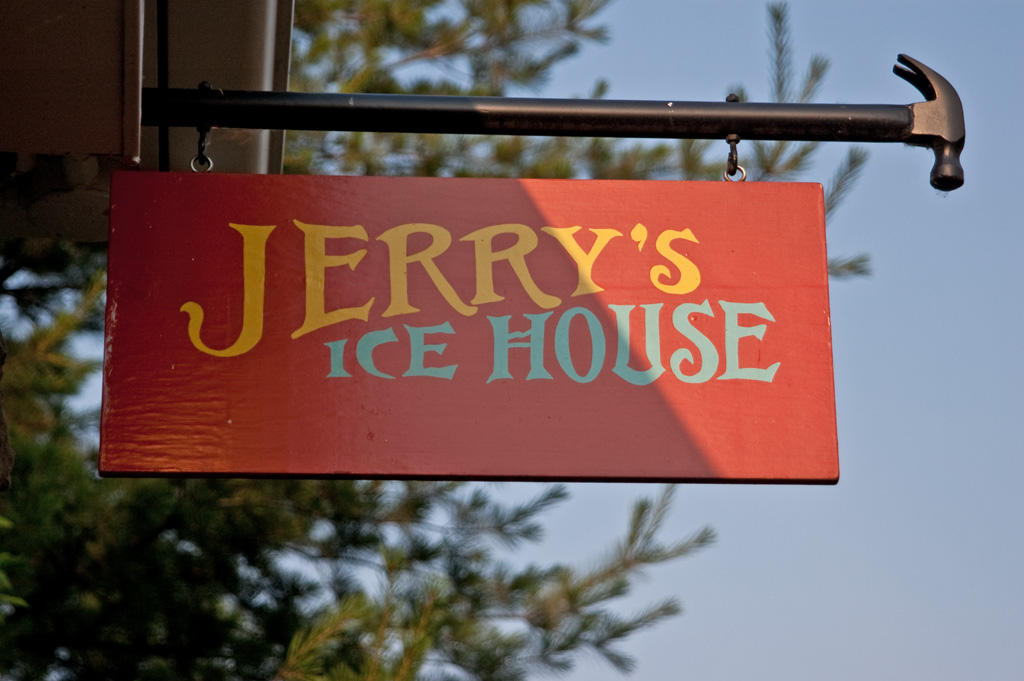 Edgefield does. Live concert venue? Check. Movie theater? Check. Brewery? Check. Winery? Check. Restaurants and bars abound like any resort, but only Edgefield has converted the original ice house into psychedelic Grateful Dead bar.
McMenamin’s – Edgefield is a great stopping point for couples or a place to gather friends and hang out for the weekend. You never need to leave the grounds if you don’t want to. But if you stay at Edgefield, I do recommend you try several of Portland’s restaurants, see the sights, visit a few breweries and and check out night scene. When you come back to Edgefield to see a concert, listen to the Irish fiddle player on the lawn or catch a independent movie in the theater you might think, ‘I understand this place.’
 Travel Snapshots